Opening a Small Office in Augsburg: A Founder's Move-In Plan
Expanding to Germany with a small team? A practical plan for choosing commercial space in Augsburg, reviewing the lease, and getting desks and equipment moved in on time.
4 minute read
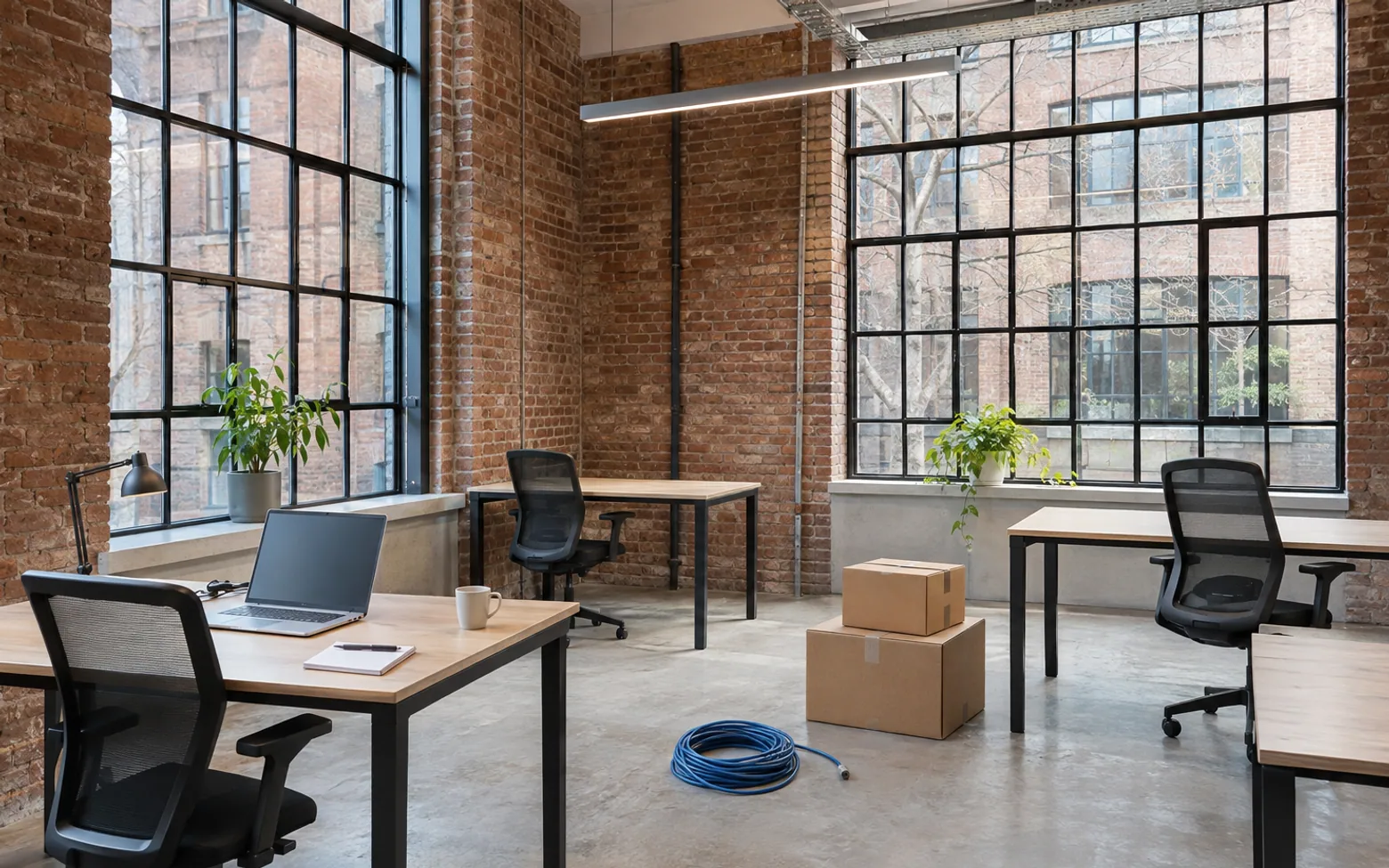
Opening a first office overseas sounds like a milestone worth a press release. In practice, it is mostly a list of very ordinary problems: who signs the lease, when the internet works, and how twelve desks get up a flight of stairs. Founders who have only leased space back home tend to assume the process will look familiar, and in some ways it does. Augsburg, a Bavarian city with strong manufacturing roots and direct rail service to Munich, can be an attractive spot for a small team working with German customers. But the details differ enough to deserve their own plan.
Start With the Job the Office Has to Do
Before you tour anything, write down why this location exists. A two-person sales base needs a professional address and a meeting room. A small engineering team may need storage, loading access or reliable power for equipment. Be specific about headcount for the next couple of years, the customers who will visit, and how your staff will commute. That brief keeps you from falling for a beautiful space that fits the wrong business.
It also helps you decide whether a lease is even the right first step. Coworking or a serviced office can let you test a market before you commit, and you can always move into something permanent once the demand is proven.
Read the Lease Like It Is a New Language
If you have already worked through the terms to raise in a commercial lease, you know the basics: length, renewal options, who pays what and what happens when you leave. The questions carry over, but the answers are governed by German law, not Missouri's, and the customary terms may surprise you. Have a local attorney who handles commercial real estate review the agreement before you sign, and do not assume a U.S. template or instinct applies. Pay attention to operating costs, the condition you must return the space in, and any requirements tied to how the premises can be used.
You should also talk with a tax adviser and a corporate attorney about how your company will be set up there. How you structure the entity can affect who is able to sign and which registrations you will need, so get this advice early rather than after you have chosen a building.
Budget for the Build-Out Early
Empty commercial space is rarely ready for work. Walk through with a list covering network cabling, power outlets, meeting room equipment, lighting and kitchen facilities. Ask the landlord what will be in place at handover and what falls to you, and whether a contribution is possible, much like the tenant improvement allowance you might negotiate at home. Internet service deserves its own line on the schedule. Installation can take far longer than founders expect, so request availability and lead times for the exact address before you commit to an opening date.
Plan the Physical Move as a Project
Whether you are shipping equipment from another location or buying everything new and consolidating it from a temporary space, somebody has to own the logistics. Make a full inventory, photograph how sensitive gear is connected, and label each item with its destination on a floor plan. Find out how deliveries reach the building, whether there is an elevator, and where a truck can stand while unloading. In many German cities, curb space for a moving vehicle has to be arranged in advance, and doing this late is an easy way to lose a day.
Someone on the ground makes a big difference here, especially if your leadership team is several time zones away. Working with a local team based in Augsburg gives you people who know the city's streets and can talk through timing, access and furniture assembly directly. Ask how they handle office equipment and whether a walk-through makes sense before you finalize the date.
Protect the Team's Working Week
Schedule the move for a low-pressure stretch, ideally late in the week, so that people return to a working office. Keep key staff on laptops with a backup connection in case the new line is not live. Test everything before the first full day: Wi-Fi, printers, door access and video calls with your home office. Then assign one person to collect problems during the first two weeks, because small issues are cheaper to fix when you catch them early.
Treat the First Office as a Test
Your first international location does not have to be perfect. It has to be workable, affordable and flexible enough to adapt as you learn the market. Get good local advice, keep your commitments modest, and let the demand tell you when it is time for something bigger.
 Negotiating a Commercial Lease: Terms to Raise Before You Sign5 minute read
 Tenant Improvement Allowance: How Build-Out Money Works6 minute read
 Gross Lease vs. Net Lease: Comparing Commercial Lease Types5 minute read