Opportunity Zones Explained for Local Business Owners
Opportunity zones explained for small business owners: how the federal program works, who gets the tax benefit, and what it can mean for a business in a zone.
5 minute read
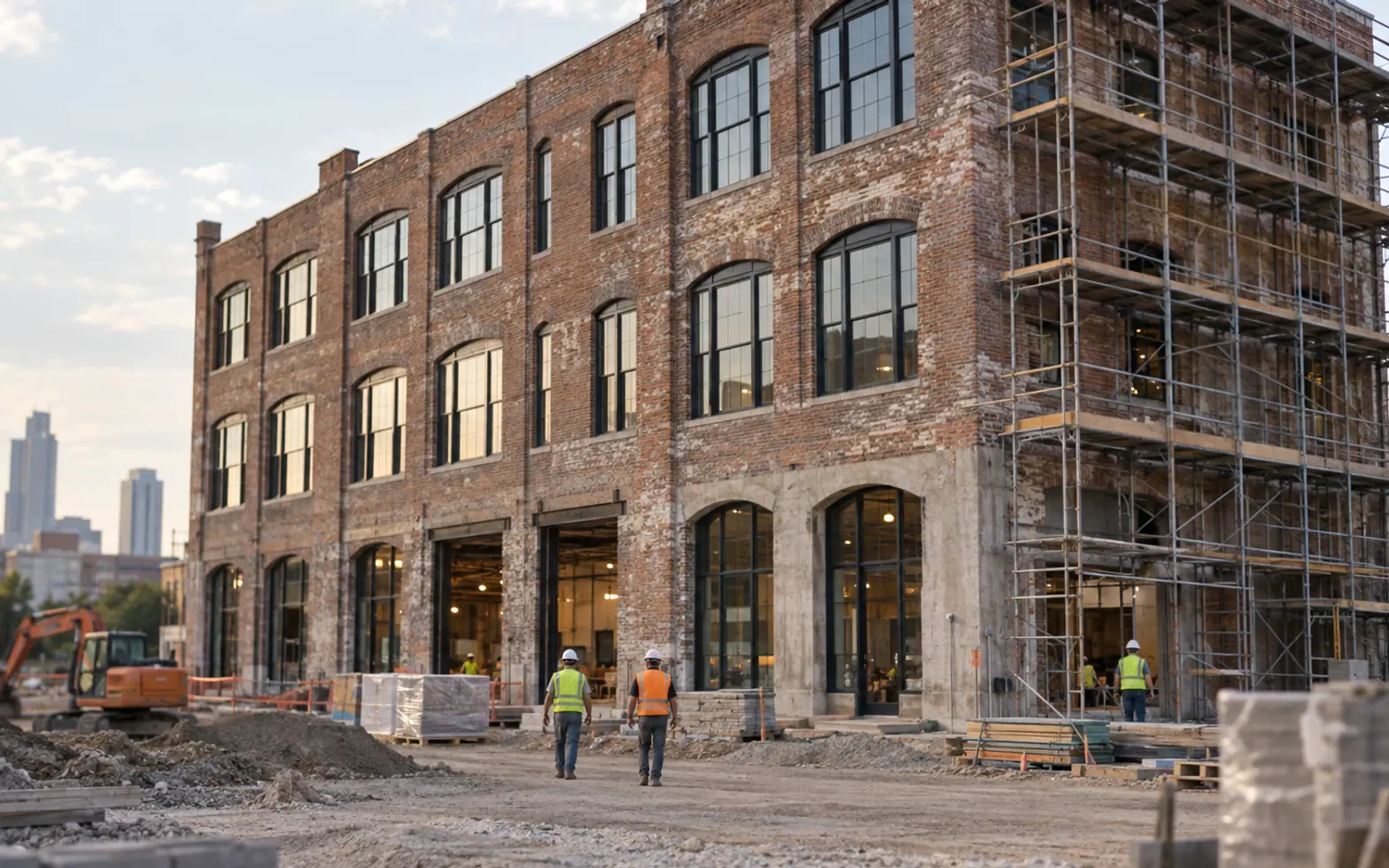
If you have looked at commercial space in parts of St. Louis city or county, you may have seen a listing describe a property as "in an opportunity zone." It sounds like a perk for the business that moves in. In most cases, it isn't one directly. Opportunity zones are a federal tax incentive aimed at investors, and the benefit reaches a small business only through the investment it attracts.
This guide explains how the program works in plain terms, who actually gets the tax break and what it can realistically mean for a local business owner. It is general information, not tax or legal advice. The rules are technical and have been revised since the program began, so confirm current details with a qualified tax professional before making any decision based on them.
What an Opportunity Zone Is
Opportunity zones were created by the federal tax law passed in 2017. States nominated certain low-income census tracts, and the U.S. Treasury certified them as zones. The idea was to encourage private investment in areas that had seen little of it by giving investors a tax benefit for putting money there.
In the St. Louis region, designated tracts include parts of the city and some areas of the county, many of them older neighborhoods with commercial corridors that have struggled. Whether a particular address falls inside a zone can be checked using official federal maps. Since designations and rules can change over time, check the current map rather than relying on an old listing.
How the Tax Benefit Works
The incentive is tied to capital gains: profits from selling things like stock, real estate or a business. Very broadly, it works like this:
- An investor sells an asset at a gain.
- Within a set window, the investor puts that gain into a Qualified Opportunity Fund, a partnership or corporation set up to invest in opportunity zone property or businesses.
- The fund invests in qualifying property or businesses located in a zone.
- In return, the investor can defer tax on the original gain for a period, and may be able to reduce or eliminate tax on new gains from the opportunity zone investment if it is held long enough.
The holding periods, deadlines, percentages and other specifics have changed through later legislation and guidance, so we won't list them here. The key point for a business owner is that the person receiving the tax benefit is the investor, not the business.
What It Can Mean for a Small Business
Even so, being in a zone can affect your business in a few ways.
New investment in the area
Opportunity funds have backed real estate projects such as renovated mixed-use buildings, new apartments and refreshed retail space. That can bring more residents, more foot traffic and better storefronts to a district. It can also bring rising rents over time, which is worth watching if you are signing a long lease.
Equity investment in your company
A business located in a zone may be able to qualify as an opportunity zone business, which would let a fund invest in it directly. The qualification tests are detailed, covering where the business's property is, where its income is earned and what kinds of activity it carries on, and some business types are excluded entirely. Most very small businesses won't attract a fund, which tends to prefer larger deals, but a growing company in a zone might find it opens a conversation.
If you are considering outside equity at all, our guide to pre-seed funding explains what giving up a share of your company involves.
Landlords who are fund-backed
If your landlord owns a building through an opportunity fund, the building may have been recently renovated, and the owner may be motivated to keep it leased. That can help you at the negotiating table, though it is no guarantee of a better deal.
What Opportunity Zones Are Not
A few misunderstandings come up often enough to be worth clearing up.
- It is not a grant or a loan. No money flows to a business simply because it is located in a zone.
- It is not a tax break for the business's own income. Your ordinary business taxes are generally the same inside a zone as outside it.
- It is not the only local incentive. State and local programs, special taxing districts and economic development offices may offer separate support, each with its own rules.
- It is not a reason to pick a location by itself. Customers, rent, space and access matter far more to a small business than a federal designation.
Questions to Ask Before You Count On It
If a zone designation comes up while you are planning a location or raising money, work through these questions with your advisor:
- Is the address currently inside a designated zone according to the official map?
- Is anyone actually offering to invest through an opportunity fund, or is the designation just a selling point in a listing?
- Would my business qualify as an opportunity zone business under the current rules?
- What would an investor expect in return, and how long would they want to stay invested?
- Are there state or local programs that fit my situation better?
Local economic development offices in the city and county can often tell you which programs apply to a particular area and how to reach the right contacts. Since the city and county are separate jurisdictions, ask the office that covers your address.
Where This Leaves You
For most local business owners, an opportunity zone is part of the background rather than a tool you use directly. It may help bring new buildings, neighbors and customers to a district, and occasionally it may help a growing company raise equity. It will not lower your own tax bill or put money in your account on its own.
Treat it as one factor among many when you choose where to set up. A busy, well-loved commercial street with steady local customers will usually serve a small business better than a designation on a map. Our guide to neighborhood business districts looks at what makes those streets work, and the broader picture is in The St. Louis Economy: What It Means for New Founders.