Shop Local: Why Neighborhood Business Districts Matter
Why neighborhood business districts matter for St. Louis owners: foot traffic, shared identity, district groups and practical ways to make shop local work.
6 minute read
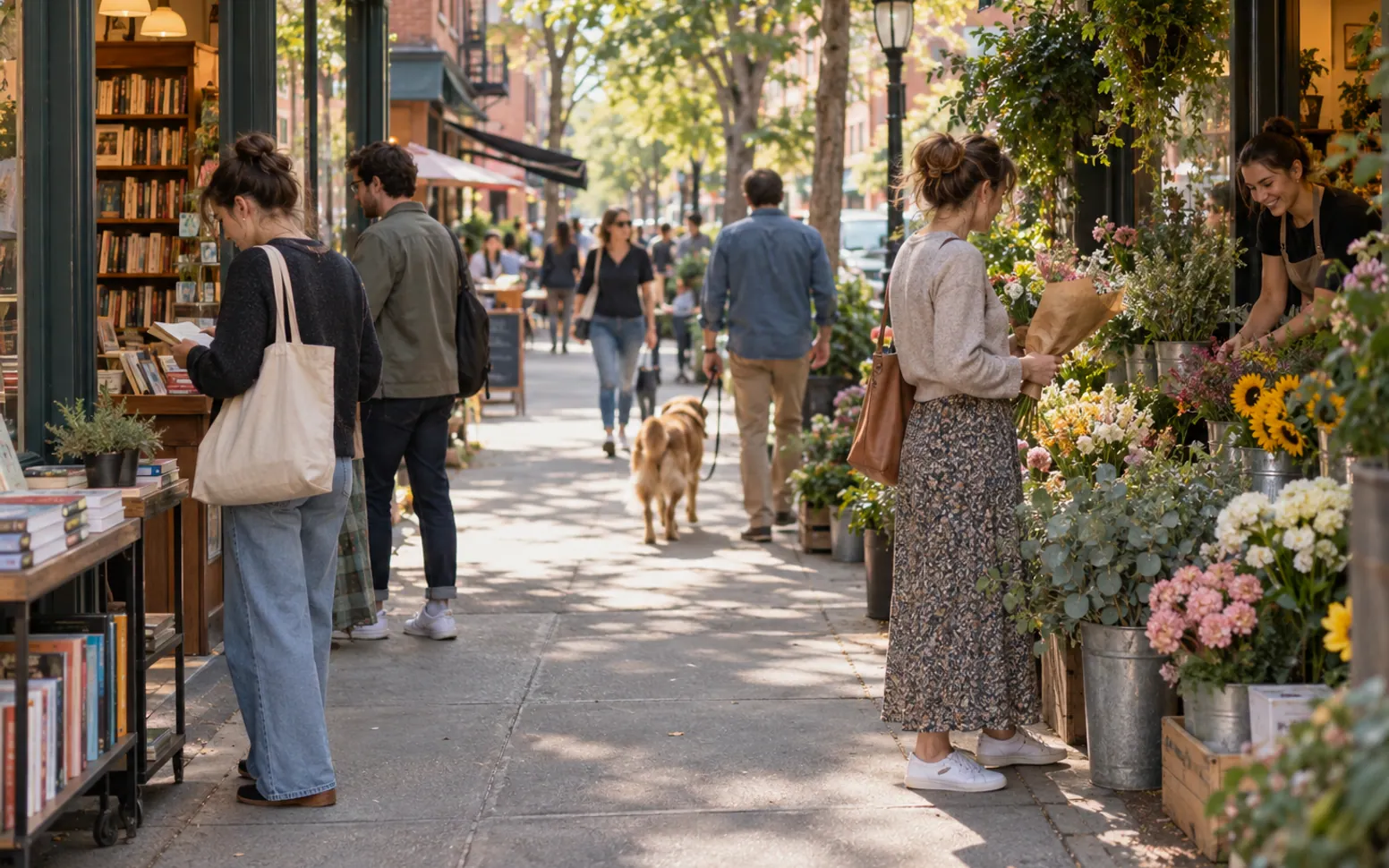
"Shop local" shows up on window decals, tote bags and holiday social posts every year. It is easy to treat it as a slogan. For a small business owner, though, the idea has a practical side: where you set up shop, who your neighbors are and how your block works together all shape how many people walk through your door.
St. Louis is a good place to think about this, because so much of its retail and service life happens on neighborhood commercial streets rather than in one central shopping zone. This post looks at why those districts matter and what you can do to benefit from being part of one.
What a Neighborhood Business District Actually Is
A business district is a cluster of storefronts, restaurants, offices and service businesses that share a street or a few blocks. Some have formal organizations behind them, with dues, a board and an events calendar. Others are informal: a handful of owners who know each other, swap tips and occasionally team up on a sidewalk sale.
Across the St. Louis area you will find both kinds. Older streetcar-era corridors in the city, main streets in inner-ring suburbs of St. Louis County, and newer mixed-use strips each have their own feel. Because the city and the county are separate jurisdictions, the rules, permits and support programs that apply to a district can differ depending on which side of the line you are on. Our guide to the St. Louis economy for new founders covers that split in more detail.
Why Clustering Helps Small Businesses
A single shop on an empty block has to generate every visit on its own. A shop on a lively street shares the work with its neighbors. That is the core reason districts matter, and it plays out in a few ways.
- Shared foot traffic. Someone who comes for coffee may wander into the bookstore next door. Each business brings in customers the others did not have to pay to reach.
- A destination identity. People say "let's go down to that street" rather than naming one store. A recognizable district gives visitors a reason to make the trip.
- Combined marketing power. A joint event, map or seasonal promotion costs each business less than running its own campaign.
- Practical support. Neighbors lend a ladder, recommend a contractor, warn each other about a utility shutoff or a scam call.
None of this is guaranteed. A district with many empty storefronts can work against you. That is why it pays to look closely before signing a lease and to take part once you are there.
How Local Spending Circulates
A common argument for shopping local is that money spent at an independent business tends to stay closer to home. The owner may hire nearby, use a local accountant, buy from a regional supplier and eat lunch down the street. Exact figures vary a lot by business and are hard to pin down, so be wary of anyone quoting a precise percentage. The general logic, though, is sound and easy to explain to customers: a purchase on your block supports people who live and work around it.
For your own business, this circulation can be a two-way street. If you want neighbors to buy from you, it helps to buy from them when it makes sense. Ordering pastries for a staff meeting from the bakery three doors down is small, but those relationships add up.
Choosing a District Before You Sign
If you are still looking for space, the district around a storefront matters as much as the unit itself. Walk the street at different times: a weekday morning, a Friday evening, a Sunday afternoon. Notice who is out and what they are doing.
Questions to ask on your walk
- Do the other businesses attract the kind of customer you want?
- Are there anchor tenants, such as a popular restaurant or grocery, that pull steady traffic?
- How many storefronts are vacant, and have they been empty long?
- Is parking, bike parking or walking access reasonable for your customers?
- Is there an active business association, and what does it do?
Also check whether the area sits in a special designation. Some neighborhoods fall within census tracts that qualify for tax incentives, which we explain in Opportunity Zones explained for local business owners. Incentives should not be the only reason to pick a location, but they are worth knowing about. Program rules change, so confirm current details with the relevant agency and a qualified professional before you rely on them.
Getting Involved Once You Are Open
Being part of a district is not passive. The businesses that get the most from their street usually show up. Here are some low-cost ways to take part:
- Join the local business association if there is one, and go to a few meetings before deciding how involved to be.
- Offer your storefront or sidewalk for a district event, such as an art walk or holiday stroll.
- Cross-promote with a neighbor whose customers overlap with yours. A florist and a café, or a bike shop and a brewery, often pair well.
- Keep your windows lit and your frontage clean. A tidy, active storefront helps the whole block feel safe and inviting.
- Share information. If you learn about a street closure, a grant program or a new city rule, pass it along.
Small actions like these build goodwill, and goodwill is what turns a row of separate shops into a place people want to visit.
Shop Local Goes Online Too
Much "local" shopping now starts on a phone. A customer searches for "gift shop near me" or "breakfast open now" and picks from the map results. If your business does not show up there, being on a great street only helps with people who already happen to walk by.
That is why a district strategy and a search strategy belong together. Make sure your business profile lists the right neighborhood, hours and photos, and mention your district by name on your website. Our pillar guide on local SEO for small business walks through the basics of getting found nearby. Once people do find you, turning them into regulars is its own skill, covered in customer retention strategies for small businesses.
Putting It Into Practice
Say you run a small home goods shop in a South City storefront. You might start by introducing yourself to the owners on either side, joining the neighborhood association's email list and asking about upcoming events. Next, you could plan one joint promotion for the season with a nearby café. Finally, you would update your online listing to name the district and post photos of the street, not just your shelves.
A short checklist to take with you:
- Visit any district you are considering at several times of day and week.
- Learn whether the area is in the city or the county, and which rules apply.
- Meet your immediate neighbors in your first month.
- Pick one shared event or promotion to join each season.
- Make your online presence reflect your neighborhood, so local searchers can connect you with the street they already love.
Shop local works best when it is more than a sticker. When owners treat their district as a shared asset, every business on the block has a better shot at steady, loyal traffic.
 The St. Louis Economy: What It Means for New Founders5 minute read