Triple Net Lease Explained: What Tenants Really Pay
A plain guide to the triple net lease: what base rent and NNN charges cover, how annual reconciliation works and what small business tenants should check.
5 minute read
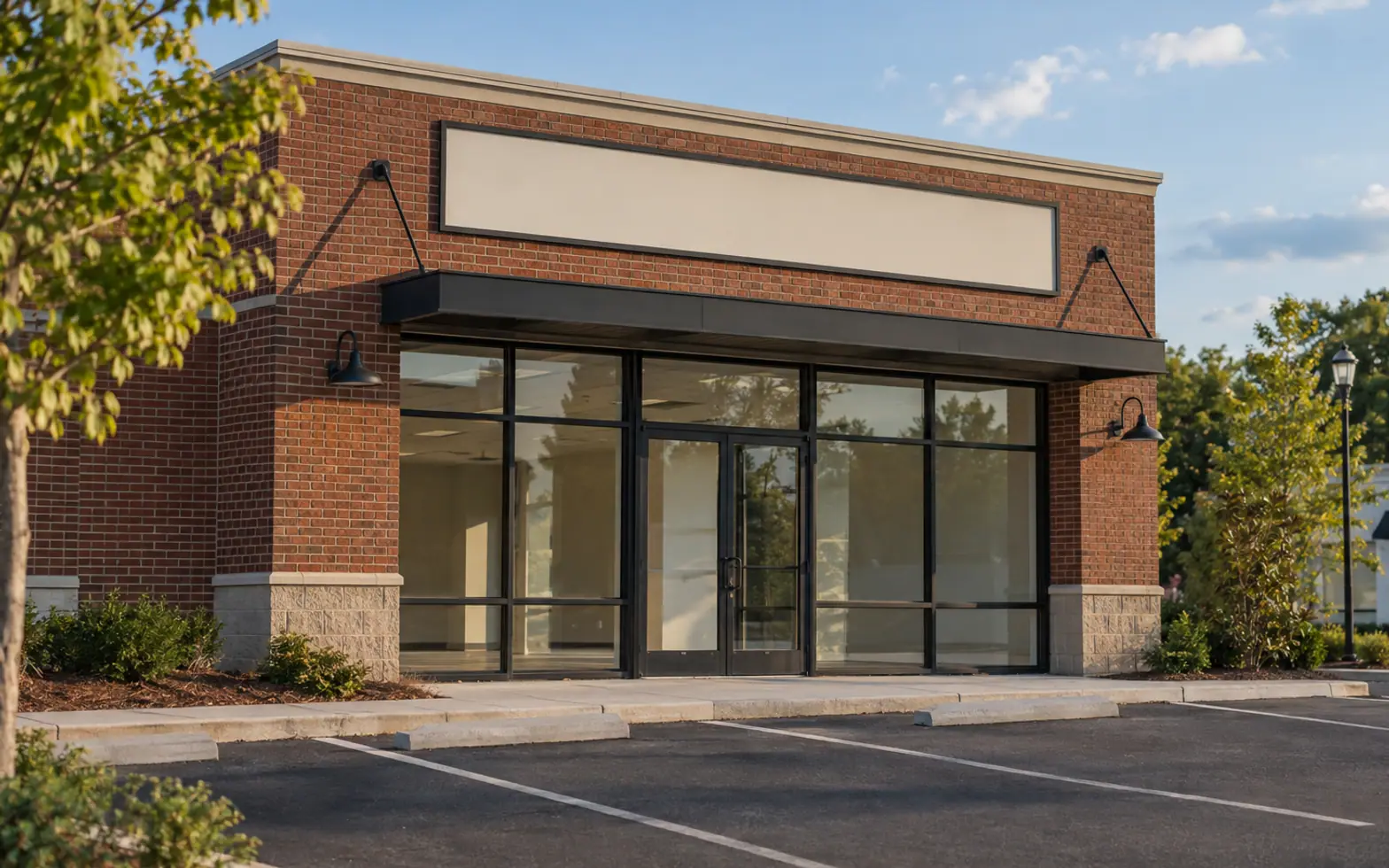
You find the perfect storefront, the asking rent looks manageable, and then the listing says "NNN." Those three letters can change your monthly bill quite a bit. A triple net lease is one of the most common commercial lease types for retail and many office and industrial spaces, and it shifts a big share of the building's operating costs onto the tenant.
This guide explains what a triple net lease covers, how the charges are calculated and what to check before you sign. It is general information rather than legal advice, so have a real estate attorney review any lease before you commit.
What "Triple Net" Means
In a triple net lease (often written NNN), the tenant pays base rent plus a share of three categories of property expenses:
- Property taxes on the building and land.
- Building insurance carried by the owner.
- Maintenance and operating costs for shared areas, often called common area maintenance or CAM.
Those three are the "nets." The owner collects base rent as a fairly predictable income stream, and tenants cover most of the costs of running the property. In a multi-tenant building, such as a strip of shops on a neighborhood commercial street, each tenant pays a share of those expenses, usually based on how much of the building's space it occupies.
Not every lease is structured this way. In a gross lease, the owner rolls most expenses into one rent figure. For a side-by-side look at the options, see our comparison of gross lease vs. net lease.
Breaking Down the Charges
Property taxes
Tenants typically pay their share of the real estate taxes on the property. Rates and assessments depend on where the building sits. In the St. Louis area that matters, because the City of St. Louis and St. Louis County are separate jurisdictions, and individual municipalities within the county have their own arrangements. Two similar buildings a short drive apart can carry different tax bills. Ask the landlord for recent tax figures rather than guessing.
Insurance
The owner insures the building itself and passes a share of that premium to tenants. This is separate from your own business insurance, which you will still need for your contents, equipment and liability. Read the lease to see exactly what coverage you are expected to carry yourself.
Common area maintenance
CAM charges cover the shared parts of the property. Depending on the building, they may include:
- Parking lot repairs, striping and lighting.
- Snow removal and landscaping.
- Cleaning and upkeep of shared hallways, lobbies or restrooms.
- Trash service for the property.
- Property management fees.
CAM is where the most variation, and the most disputes, tend to show up. What counts as a shared expense is defined in the lease, so the wording matters.
How the Monthly Bill Works
Most triple net leases use estimates. At the start of the year, the landlord projects total taxes, insurance and CAM for the property, works out your share and adds it to your monthly rent. Your payment looks something like this:
| Line item | How it is set |
|---|---|
| Base rent | Fixed by the lease, often with scheduled increases |
| Estimated taxes | Your share of projected property taxes |
| Estimated insurance | Your share of the building's premium |
| Estimated CAM | Your share of projected shared operating costs |
After the year ends, the landlord compares the estimates with actual costs. This is called reconciliation. If actual costs were higher, you may get a bill for the difference. If they were lower, you may receive a credit. That year-end true-up can arrive as a sizable lump sum, so build it into your cash flow forecast rather than hoping for a refund.
Pros and Cons for Small Business Tenants
Potential advantages
- Base rent is often lower than in a comparable gross lease, because the owner is not pricing in expense risk.
- Costs can be more transparent, since you can ask to see what you are paying for.
- You may benefit if the property's actual expenses come in under estimates.
Potential drawbacks
- Total occupancy cost is less predictable, especially in an older building or after a tax reassessment.
- A large repair to shared areas can raise your CAM charges.
- Reconciliation bills can be hard to plan for if you are not expecting them.
- You may have limited control over how the property is managed and what it spends.
What to Check Before You Sign
Many terms in a triple net lease can be discussed before signing. Our guide to negotiating a commercial lease covers the conversation in more depth, but here are the points worth raising on any NNN deal:
- Ask for history. Request the property's actual tax, insurance and CAM costs for recent years to see how stable they have been.
- Define what CAM includes. Clarify whether major repairs or improvements such as a new roof or parking lot replacement are treated as tenant expenses or owner capital costs.
- Look for a CAM cap. Some leases limit how much controllable expenses can rise each year. Ask whether one is possible.
- Confirm your share. Check how your pro rata share is calculated and what square footage it uses.
- Secure audit rights. A clause allowing you to review the landlord's expense records gives you a way to question charges.
- Clarify repair duties. Know who handles your own heating and cooling system, plumbing within your space and the storefront itself.
If the space needs work before you can open, ask about build-out money too. Our explainer on tenant improvement allowances describes how landlords sometimes contribute to the cost of preparing a space.
Estimating Your Real Cost
Before you compare spaces, turn every option into a single, all-in monthly number:
- Write down base rent for the first year.
- Add the landlord's current estimate of taxes, insurance and CAM for your space.
- Add a buffer for reconciliation, especially in older buildings.
- Include your own utilities, business insurance and any maintenance the lease assigns to you.
- Check the scheduled rent increases for later years.
- Compare that full figure against your sales targets and break-even point.
A triple net lease is not good or bad on its own. It is a way of dividing costs. Once you know what you will really pay each month and which surprises to plan for, you can judge whether the space truly fits your business. Confirm the terms with a qualified attorney before signing.
 Negotiating a Commercial Lease: Terms to Raise Before You Sign5 minute read
 Tenant Improvement Allowance: How Build-Out Money Works6 minute read