Taking a Small Hospitality Business to France: Setup Notes
Opening a café, guesthouse or small bar in France? Setup notes on premises, broadband, licensed TV for rooms and common areas, French menus and suppliers.
5 minute read
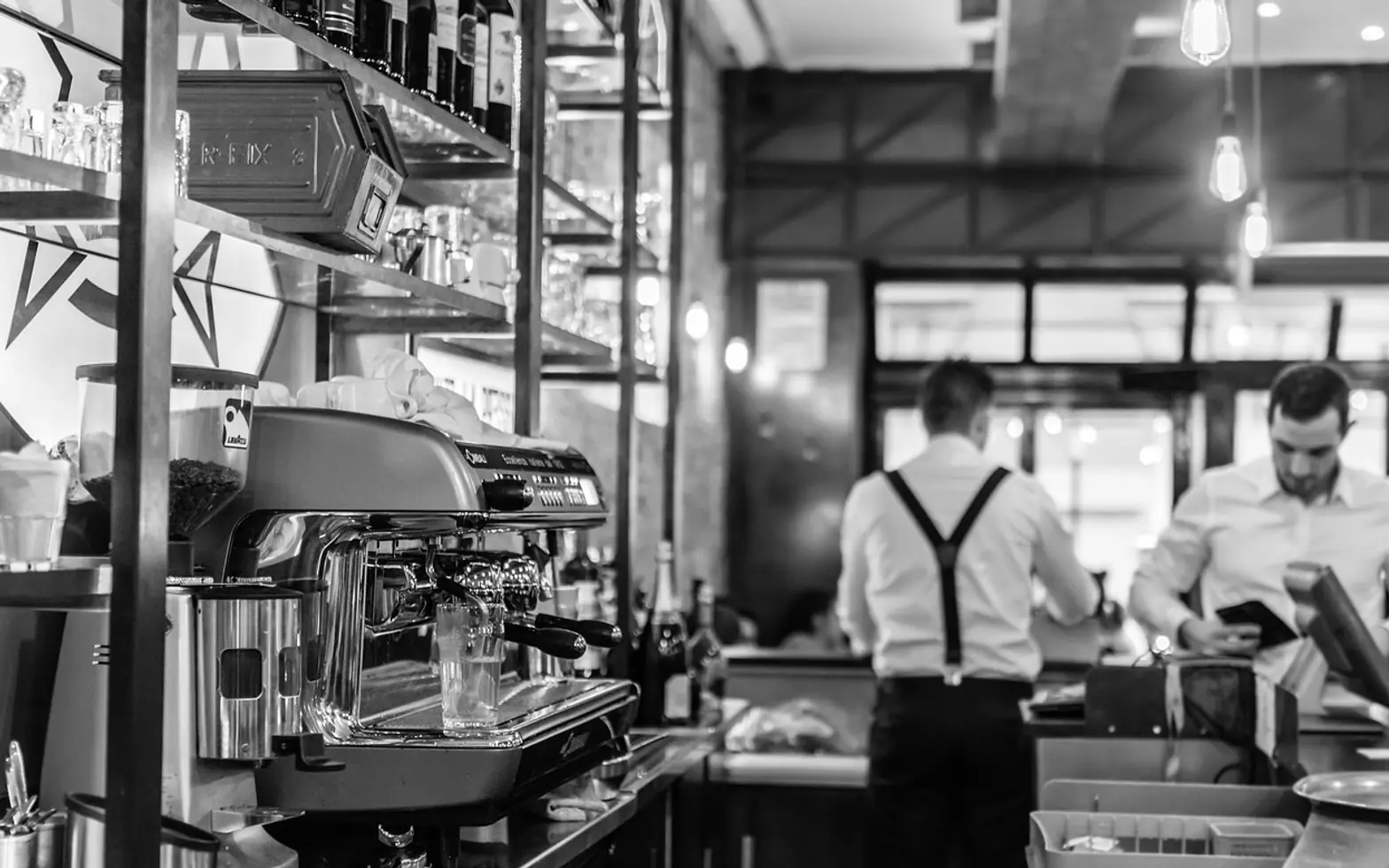
Opening a café, guesthouse or small bar in France comes down to five practical areas: securing premises approved for your kind of trade, getting a dependable broadband line in early, planning TV and screens with commercial licensing in mind, writing menus and signs in French first, and building a short list of local suppliers before opening week. None of these is exotic, but each one takes longer from abroad than it does at home, so the order you tackle them in matters.
These notes are written for owners who already run a venue somewhere else and are weighing a second site in France, or for founders moving there to start fresh. They are a planning checklist rather than legal advice. Rules differ between towns, so confirm each point locally.
Premises: Confirm the Use Before the Rent
The first question for any café or bar space is whether it can lawfully be used for what you plan to do. A unit that previously housed a shop may need permissions before it can serve food or drinks, and a guesthouse comes with its own registration and safety checks. Ask the landlord, the local town hall and a local adviser before you sign anything.
Points worth settling in writing:
- Permitted use under the lease and under local planning rules.
- Who pays for fit-out work, ventilation, accessibility changes and fire safety upgrades.
- Opening hours allowed, especially for terraces and late-evening trade.
- Whether an existing licence to serve alcohol can transfer, or whether you apply from scratch.
- Length of the commercial lease and the conditions for leaving early.
If you have handled a move like this before, many of the same steps apply. The approach in this move-in plan for a first office abroad (scoping the space, reading the lease and scheduling the move) carries over well to a hospitality site, with extra attention on kitchen and safety requirements.
Broadband Comes Before Furniture
A guesthouse without dependable wifi gets mentioned in reviews quickly, and a café increasingly runs its card terminal, booking tools, ordering screens and background music over the same line. Order the connection as soon as the lease is signed. Installation slots can take weeks, and an older building may need cabling work inside before a technician can connect anything.
When comparing broadband offers for a business, look beyond headline speed:
- Is there a business contract with a committed repair time?
- Can guest wifi run separately from the network that handles payments and bookings?
- Is a mobile backup included, or can you add one for outages?
- What are the minimum contract length and the notice period?
Keeping guest traffic on its own network is worth doing from day one. It protects your payment systems.
TV in Guest Rooms and Common Areas
Television is one of those details that seems minor until a guest asks for the evening news or a regular wants to watch a match. Plan it together with the broadband, because in many French homes and businesses the picture now arrives over the internet line rather than through an aerial or a dish. A guesthouse might put a small screen in each room, while a café or bar usually wants one or two screens in a shared space.
For guest rooms, a lot of small properties now plan around IPTV france services (television delivered over the internet connection) instead of a new aerial installation, which keeps cabling simpler in older buildings.
Whatever route you choose, use properly licensed services and read the provider's terms closely. A subscription meant for one household rarely covers several guest rooms or a public room, and showing television to customers in a bar or café is generally treated as public showing. Ask about commercial terms before you sign, and check the local rules on public screenings and music, since rights fees for playing broadcasts or music in a venue can apply separately from the subscription itself.
Placement matters as much as the contract. The points in the checklist for mounting a TV screen in a small business (sight lines, sound levels, wiring and running costs) apply in France just as they do anywhere else.
Language on Menus, Signs and Notices
Write customer-facing material in French first. Menus, price lists, allergen information, house rules and safety notices should be clear to local customers and to inspectors, and some displays are expected to be in French. Translations into English or other languages can sit alongside and help visitors, but they should not replace the French version.
A few habits help:
- Have a native speaker check every printed menu before it goes to the printer.
- Keep allergen and price information easy to find, not buried in small print.
- Use the same wording on the website, the booking page and the signs in the venue.
Finding Local Suppliers
Local sourcing is often what customers expect, and it can make deliveries simpler. Start with wholesale markets, regional producers and the suppliers that neighbouring venues already use; owners nearby are often willing to share names. Ask about delivery days, minimum orders and payment terms, and set up two suppliers for your most important items so that one late van does not empty the counter.
A Simple Setup Order
| Stage | Focus |
|---|---|
| Before signing | Permitted use, licences, lease terms |
| Right after signing | Broadband order, fit-out quotes, insurance |
| During fit-out | Screens, TV contracts, network layout, signage |
| Final weeks | Supplier accounts, French menus, staff briefing |
Questions Owners Ask
Can a home TV subscription be used in the café?
Usually not. Home plans are generally written for private viewing. Ask the provider for a commercial plan and check local rules before showing anything to customers.
Do guest rooms need their own TV arrangement?
Often, yes. Providers commonly treat multi-room or hospitality use differently from a household, so describe your setup accurately when you ask for a quote.
Should the opening menu be the full menu?
A shorter opening menu is easier to source and to translate well. Dishes can be added once suppliers and staff have settled in.
Expanding into France rewards owners who handle the unglamorous parts early. Get the premises use confirmed, the line installed and the paperwork for screens and music sorted, and opening week can be about customers rather than contractors.
 International TV for Expat Customers: A Small Venue's Guide2 minute read
 Digital Display Boards for Small Businesses: Menus, Lobbies and Windows2 minute read
 Renting Tables and Chairs for a Business Event: A Planning Guide2 minute read